
 English






































































































































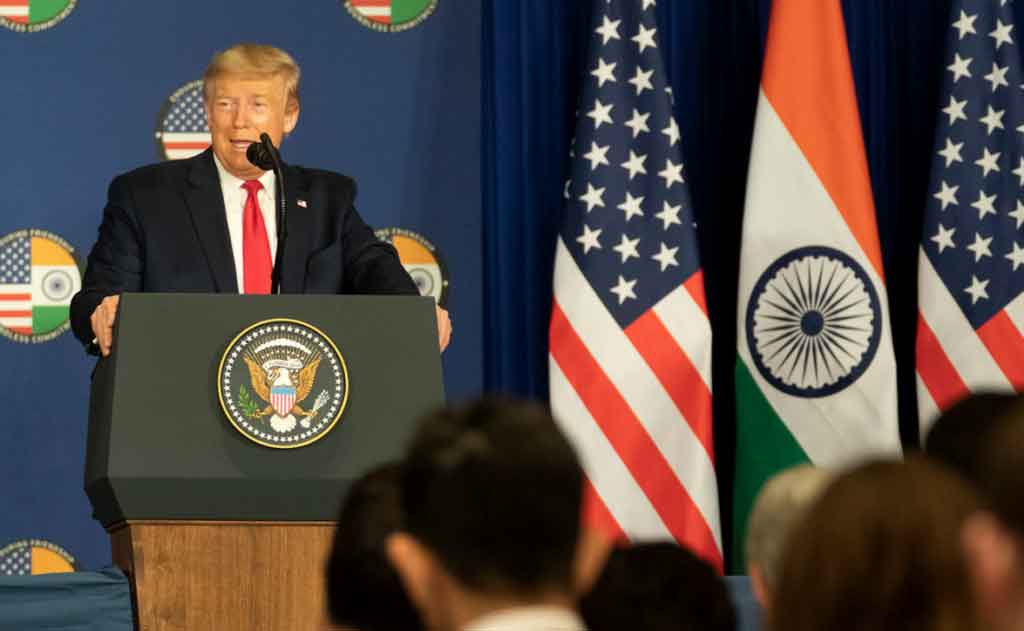





Trump’s Tariffs Target India Over Russian Oil Imports: A Call for Unity


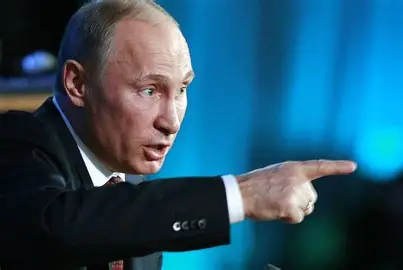
New Delhi, August 6, 2025 – In a move that has sent shockwaves through India’s economic and diplomatic circles, U.S. President Donald Trump, the 47th President of the United States, has imposed an additional 25% tariff on Indian goods, bringing the total tariff rate to 50%. This executive order, signed on August 5, 2025, comes as a punitive measure targeting India’s continued imports of Russian crude oil, which Trump claims fuels Russia’s war efforts in Ukraine. The decision has sparked outrage in New Delhi, with the Indian Ministry of External Affairs (MEA) labeling the tariffs “unfair, unjustified, and unreasonable.”
The Tariff Hike: A Targeted Attack?
The new tariff, effective 21 days from August 5, 2025, adds to an existing 25% levy announced on July 31, 2025, and is part of Trump’s broader trade policy aimed at pressuring nations purchasing Russian oil. In a statement on Truth Social, Trump accused India of “buying massive amounts of Russian oil” and “selling it on the open market for big profits,” alleging indifference to the human cost of the Russia-Ukraine conflict. The additional tariff, described as a “penalty,” specifically targets India’s energy and defense ties with Russia, a long-standing strategic partner.
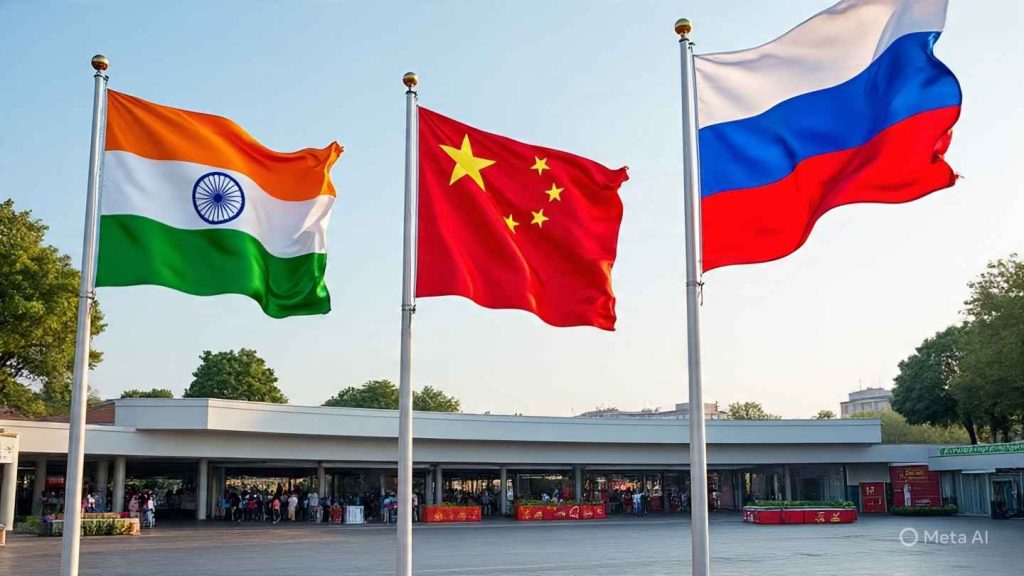
India, the world’s third-largest oil importer, relies on Russia for approximately 35% of its crude oil supply, importing around 1.75 million barrels per day from January to June 2025. This figure, while significant, pales in comparison to the trade volumes of other global players. According to data from the Indian Embassy in Moscow, India’s bilateral trade with Russia reached $68.7 billion in the year ending March 2025. In contrast, Europe, despite reducing its trade with Russia since the 2022 invasion of Ukraine, still accounted for 38.4% of Russia’s global trade in goods in 2024, importing roughly 8 million tonnes of Russian oil. China, the largest buyer of Russian energy, imported an estimated 108 million tons of oil in the same period, yet neither has faced similar punitive tariffs from the U.S.
India’s Ministry of External Affairs has called out this apparent double standard, noting that the U.S. and European Union continue to engage in trade with Russia. “It is extremely unfortunate that the US should choose to impose additional tariffs on India for actions that several other countries are also taking in their own national interest,” the MEA stated. The ministry emphasized that India’s oil imports from Russia were initially encouraged by the U.S. to stabilize global energy markets, particularly after traditional supplies were diverted to Europe following the Russia-Ukraine conflict.
Economic Implications for India
The 50% tariff rate places India at a significant disadvantage in the U.S. market, one of its largest trading partners, with a trade deficit of $45.8 billion in 2024. Sectors such as textiles, pharmaceuticals, gems, and leather—many driven by Micro, Small, and Medium Enterprises (MSMEs)—are expected to bear the brunt of this economic blow. Ajay Sahai, Director General of the Federation of Indian Export Organisations (FIEO), described the tariffs as “extremely shocking,” warning that demand for Indian goods in the U.S. could plummet. “We are back to square one as Trump hasn’t spelled out what the penalties would be in addition to the tariff,” Sahai said.
However, some analysts argue that India’s domestic-oriented economy may cushion the impact. Aditi Raman, Associate Economist at Moody’s Analytics, noted, “While the U.S. is India’s largest trade partner, the Indian economy relies far less on trade compared to other regional economies.” Domestic consumption and alternative export markets could offset losses, though sectors like agriculture and dairy, which India has historically protected, remain points of contention in U.S.-India trade talks.
A Question of Fairness
India’s decision to continue importing Russian oil is driven by economic necessity. With a population of over 1.4 billion and a daily oil consumption of 5.2 million barrels, India imports nearly 85% of its crude requirements. Russian oil, often sold at a discount, has been critical in keeping energy prices affordable for Indian consumers. Hardeep Singh Puri, India’s Energy Minister, defended these purchases, stating in a recent CNBC interview, “If people or countries had stopped buying at that stage, the price of oil would have gone up to $130 a barrel.” Indian officials argue that their imports have helped stabilize global energy markets, a role the U.S. initially supported.
Critics, including Indian trade analyst Ajay Srivastava of the Global Trade Research Initiative, have dismissed Trump’s accusations as misleading. “India does not export crude oil, Russian or otherwise. It is a net importer,” Srivastava clarified, noting that India only exports refined fuels like diesel and jet fuel, a practice common among many nations, including those in Europe. The Netherlands, for instance, accounted for nearly 25% of India’s petroleum product exports to Europe, highlighting the complexity of global trade routes.
The Geopolitical Context
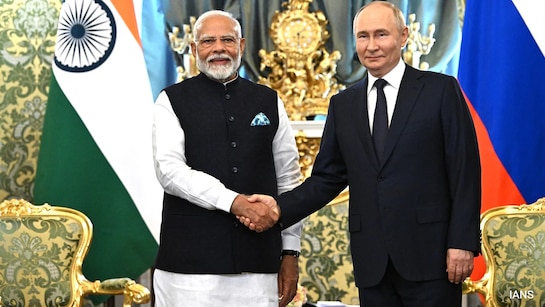
The tariff hike comes amid strained U.S.-India trade negotiations, with talks stalled over issues like market access for U.S. agricultural and dairy products. Despite a warm personal rapport between Trump and Indian Prime Minister Narendra Modi, who met in February 2025 at the White House, the U.S. has expressed frustration over India’s high tariffs and non-tariff barriers. Trump’s administration has also criticized India’s role in the BRICS group, labeling it hostile to U.S. interests, a claim India and other members have rejected.
Meanwhile, Trump’s selective targeting of India raises questions about geopolitical motivations. Posts on X have highlighted the disparity, with one user noting, “Trump is now looking to impose tariffs on India… No such tariff on Europe that is importing 8 million tonnes of Russian oil, or China that is importing 108 million tons of Russian oil.” This sentiment echoes India’s official stance that it is being unfairly singled out. The U.S. has secured favorable trade deals with other nations, including Pakistan, which Trump recently praised for a joint oil reserve development deal, further complicating the regional dynamic.
A Call to Action for Every Indian
As India faces this economic challenge, it is a moment for national unity and resilience. The government has vowed to protect its economic interests, with the MEA stating, “India will take all necessary measures to safeguard its national interests and economic security.” But this is not just a task for policymakers—it is a call to action for every Indian:
- Support Local Businesses: Choose Indian-made products to bolster domestic industries, particularly MSMEs in textiles, leather, and pharmaceuticals, which may face reduced U.S. demand.
- Advocate for Fair Trade: Engage in public discourse, whether through social media or community forums, to highlight the importance of India’s sovereign right to make energy and trade decisions. Use hashtags like #IndiaStandsUnited to amplify the message.
- Stay Informed: Follow updates from reliable sources and participate in discussions about India’s economic strategy. Knowledge is power—understand the implications of global trade policies on our nation.
- Promote Innovation: Support India’s push for self-reliance in energy and manufacturing. Encourage entrepreneurs and startups working on sustainable energy solutions to reduce dependence on imports.
- Stand United: This is a time to rally behind our nation’s leadership as they navigate complex trade negotiations. Unity is our strength—let’s show the world that India will not be coerced into compromising its interests.
India has faced challenges before and emerged stronger. The government is set to resume trade talks with the U.S. on August 25, 2025, and experts believe there is still room for negotiation. As Ajay Srivastava noted, “India’s principled stand has avoided the trap of a one-sided deal.” By standing united, India can weather this storm and continue to assert its place on the global stage.

