English












































































































































































The Story of Nag Panchami


Introduction to Nag Panchami
Nag Panchami is celebrated on the Shukla Panchami tithi in the month of Shravan, dedicated to the worship of Nagas, the divine serpents revered in Hindu mythology. This festival holds deep spiritual and cultural significance, rooted in ancient texts and traditions that highlight the importance of these mystical beings.
Who Are the Nagas?
Nagas are the divine serpent children of Rishi Kashyap and his wife Kadru, who gave birth to 1,000 snakes. Among these, the eight primary Nagas, known as the Ashta Kula Nagas, are especially venerated. These are:
- Ananta
- Vasuki
- Takshak
- Kulika
- Karkotaka
- Padma
- Mahapadma
- Shankhapala
These Nagas are described vividly in ancient Hindu texts and are worshipped for their divine powers and association with protection, fertility, and prosperity.
Difference Between Nagas and Sarpa
Nagas are distinguished by their hoods, a mark of their divine status, while Sarpa refers to ordinary snakes without hoods. The Nagas are revered as semi-divine beings with spiritual significance, often associated with Lord Shiva and Lord Vishnu.
Why Shukla Panchami Tithi?
The significance of Shukla Panchami for Nag Panchami is tied to a pivotal event in Hindu mythology involving King Parikshit, Arjuna’s grandson, and his great-grandson, King Janmejaya.
The Story of Parikshit and Janmejaya
King Parikshit, a righteous ruler, was killed by Takshak, one of the eight primary Nagas and the third brother among the 1,000 snakes born to Kadru. In retaliation, Parikshit’s son, Janmejaya, conducted the Sarpamedha Yagna, a powerful sacrificial ritual aimed at annihilating all snakes by consuming them in its sacred fire. The ritual was halted by Astika, a Brahmin sage and nephew of the serpent king Vasuki. Astika’s intervention saved the Nagas, and the day this yagna was stopped—Shukla Panchami in Shravan—became the day of Nag Panchami, dedicated to worshipping Nagas in gratitude and reverence.
The Tale of Nala and Damayanti
The story of Nag Panchami is also deeply connected to the legend of King Nala and Princess Damayanti, a tale of love, trials, and divine intervention involving the Naga Karkotaka.
Love at First Sight
Nala, the handsome king of Nishad, saw a sketch of Damayanti, the beautiful princess of Vidarbha, and fell deeply in love with her. Unable to focus on his duties, Nala sent messages to Damayanti through a swan from his garden, and the two began communicating. When Damayanti’s father announced her Swayamvar (a ceremony where a bride chooses her groom), not only earthly princes and kings but also divine beings like Indra, Agni, and Varuna descended to compete for her hand, each taking the form of Nala to confuse her.
Damayanti’s Wisdom
In the Swayamvar, Damayanti faced a bewildering sight: four identical Nalas standing side by side. Using her keen observation, she noticed that only one was blinking, revealing him as the true Nala. The others, being divine beings, did not blink. Damayanti chose the real Nala, and their union was celebrated. The gods, impressed by her wisdom, blessed the couple but shared the story with others, including Kali, the personification of the Kali Yuga.
Kali’s Curse
Kali, believing that Nala and Damayanti’s prior communication made the Swayamvar dishonest, sought to punish Nala. Under Kali’s influence, Nala lost his kingdom in a game of dice to his brother and was forced into exile with Damayanti. In despair, Nala abandoned Damayanti in a forest, leaving her with only half-torn clothes, and wandered alone into a jungle engulfed by a wildfire.
The Intervention of Karkotaka
In the jungle, Nala encountered Karkotaka, a powerful Naga and one of the Ashta Kula Nagas, trapped in the wildfire due to a curse by Sage Narada. Karkotaka had deceived Narada, earning a curse that rendered him immobile for years. Nala heroically rescued Karkotaka from the flames. In gratitude, Karkotaka bit Nala, but this was no ordinary bite. The venom transformed Nala into a dwarf-like, unattractive figure, purging Kali’s influence from his body.
Karkotaka explained that the bite was necessary to protect Nala from further harm by Kali. As long as the venom remained in his body, Nala would be invincible to other dangers. Karkotaka gifted Nala two pieces of magical silk cloth, instructing him that wearing them would restore his original form and beauty. He also advised Nala to seek refuge in the court of King Rituparna and shared wisdom on overcoming Kali’s curse.
Nala’s Redemption
Following Karkotaka’s guidance, Nala joined King Rituparna’s court under a new identity. Eventually, with Damayanti’s help and the power of the magical silk, Nala regained his true form, overcame Kali’s influence, and reunited with his beloved wife. Their story became a testament to resilience, divine grace, and the protective power of the Nagas.
Significance of Nag Panchami
The story of Karkotaka and Nala underscores the protective and transformative power of the Nagas, particularly in overcoming the challenges of the Kali Yuga. Worshipping Karkotaka and the Ashta Kula Nagas on Nag Panchami is believed to grant devotees strength to navigate obstacles, protection from negative influences, and blessings for prosperity and harmony.
Rituals of Nag Panchami
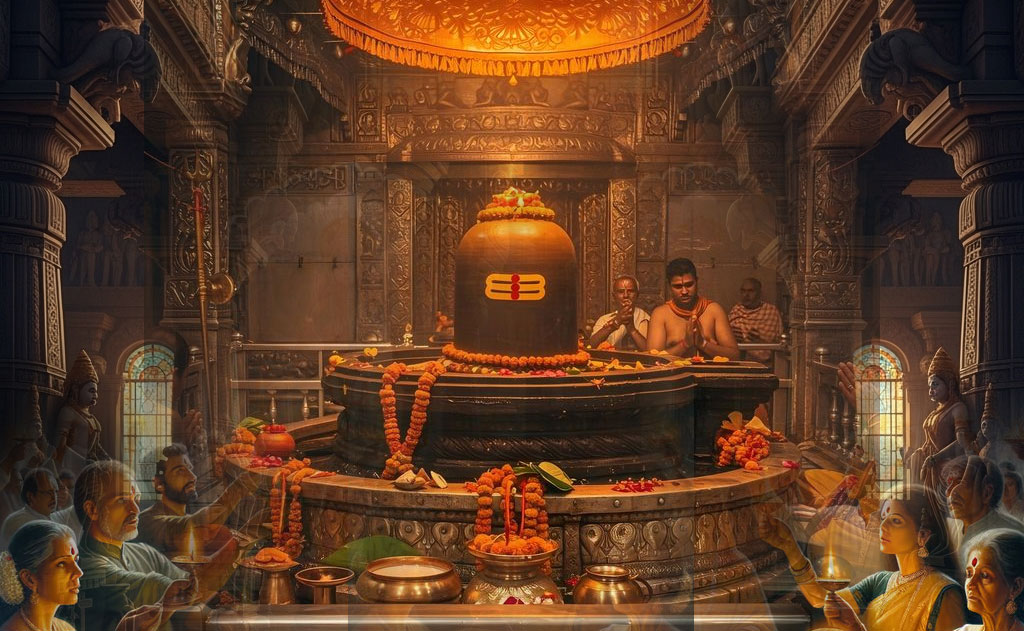
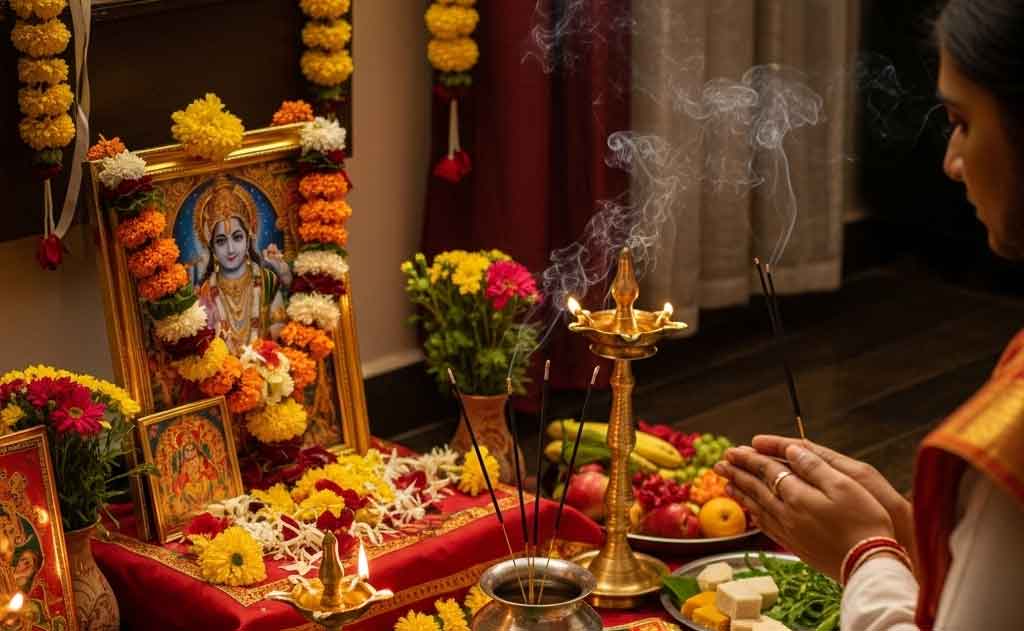
On this day, devotees offer milk, flowers, and sweets to snake idols or images, visit temples dedicated to Nagas, and perform pujas to seek their blessings. The festival fosters reverence for nature and the divine forces embodied by the Nagas, reminding us of their role as guardians and protectors in Hindu cosmology.
Conclusion
Nag Panchami is a celebration of the divine serpents who hold a unique place in Hindu mythology. Through the stories of Janmejaya’s Sarpamedha Yagna and Nala’s redemption with Karkotaka’s aid, we learn of the Nagas’ power to protect, transform, and guide devotees through the trials of life. By worshipping the Ashta Kula Nagas on Shukla Panchami, devotees honor their legacy and seek their blessings to overcome the challenges of the Kali Yuga.