English






















































































































































































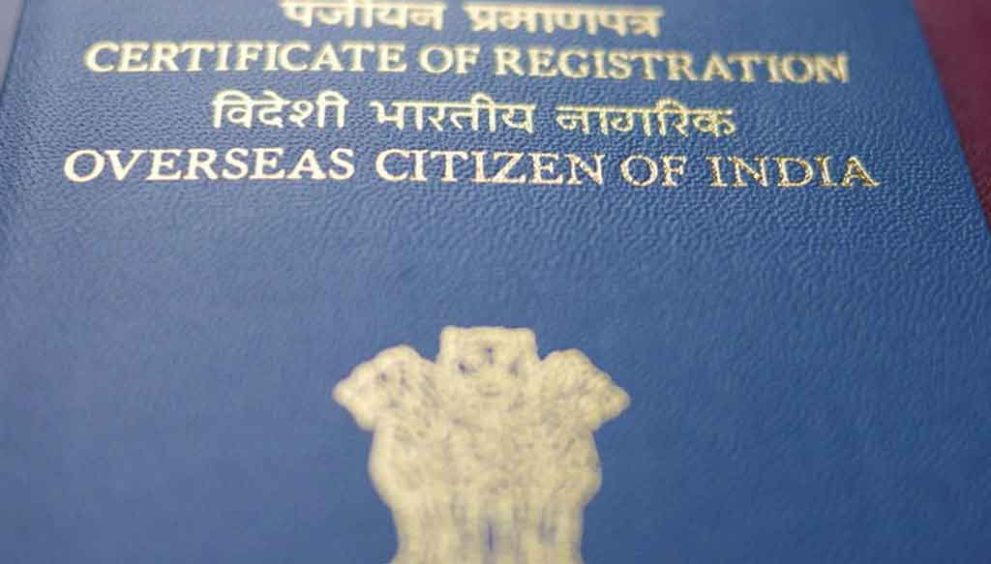
The Ultimate Guide to OCI: Your Lifeline to India

Imagine standing at the bustling immigration counter at Delhi’s Indira Gandhi International Airport, the air thick with the scent of spices and the hum of eager travelers. Your foreign passport is in hand, but your heart beats to the rhythm of India—your ancestral homeland. For millions in the Indian diaspora, the Overseas Citizenship of India (OCI) scheme is more than a visa; it’s a golden thread connecting them to their roots. Launched in 2005, the OCI program has become a lifeline for those of Indian origin living abroad, offering a near-citizenship experience without the complexities of dual nationality. But whispers of stricter rules have sparked curiosity and concern among Non-Resident Indians (NRIs). What’s the real story? Let’s dive into this vibrant journey of the OCI scheme, exploring its benefits, limitations, application process, and what these “stricter” measures mean for you.
What is OCI? A Bridge to Bharat
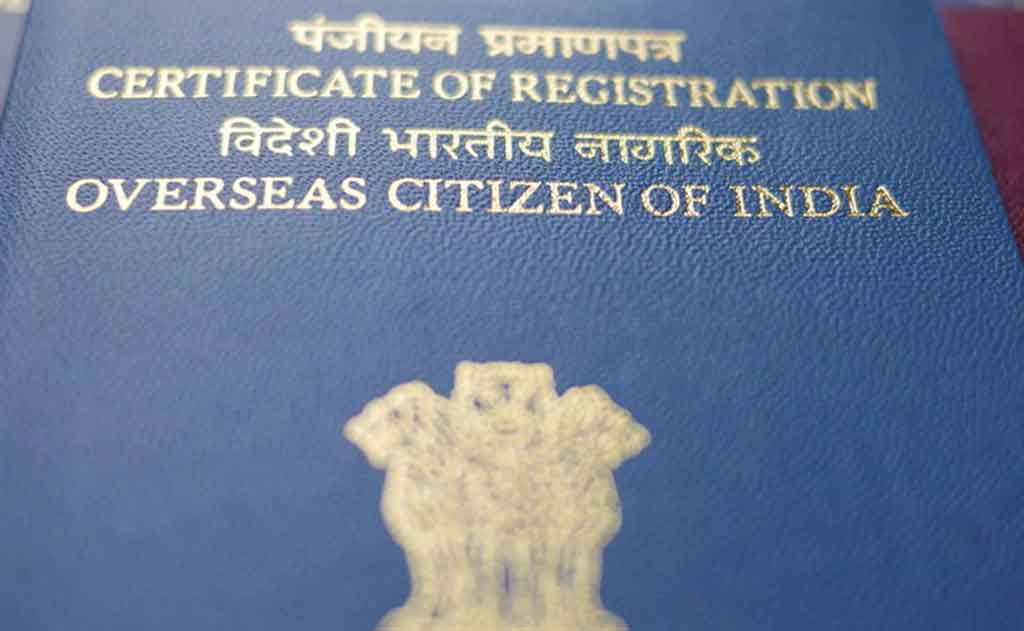
Picture this: you’re a second-generation Indian living in New York, London, or Sydney. Your parents’ stories of vibrant Diwali nights and monsoon-soaked streets linger in your mind. The OCI scheme, introduced under the Citizenship Act, 1955, is India’s way of saying, “Come back, stay connected.” It’s not full citizenship—India doesn’t allow dual nationality—but a lifelong, multiple-entry visa that lets you live, work, and travel in India with ease. Since its inception in August 2005, and with the merger of the Person of Indian Origin (PIO) scheme in 2015, OCI has become the go-to option for over 4 million people of Indian descent worldwide. As of January 2022, 40.68 lakh OCI cards have been issued, a testament to its popularity.
But recently, murmurs on platforms like X and news outlets like The Times of India suggest India is tightening the screws on OCI rules. Is it true? We’ll unravel that mystery as we go.
Who Can Apply? Tracing Your Indian Roots
The OCI scheme is like an open invitation to those with Indian heritage, but it comes with specific eligibility criteria under Section 7A of the Citizenship Act, 1955. Here’s who can claim this coveted status:
- Former Indian Citizens: If you or your parents, grandparents, or great-grandparents were Indian citizens on or after January 26, 1950 (when India’s Constitution took effect), you’re eligible.
- Territorial Ties: Did your family hail from a region like Goa, Sikkim, or Pondicherry that became part of India after August 15, 1947? You qualify.
- Descendants: Children, grandchildren, or great-grandchildren of those meeting the above criteria can apply.
- Minors: Kids with at least one Indian citizen parent or OCI cardholder parent are eligible.
- Spouses: Foreign spouses of Indian citizens or OCI cardholders can apply if their marriage is registered and has lasted at least two years. A background check is mandatory.
The Catch: If you, your parents, or grandparents were ever citizens of Pakistan, Bangladesh, or other countries blacklisted by India, the OCI door is closed. Sorry, no exceptions.
The Perks: Why OCI is a Game-Changer
Holding an OCI card is like having a VIP pass to India. Here’s what it unlocks:
- Lifelong Visa: Travel to India anytime, stay as long as you want, without reporting to immigration authorities. No more visa hassles!
- NRI Parity: Enjoy the same economic, financial, and educational privileges as Non-Resident Indians (NRIs). Think domestic airfares, equal entry fees to Taj Mahal or Ranthambore National Park, and access to adoption processes.
- Work Freedom: Practice as a doctor, lawyer, architect, or accountant (barring government jobs or sensitive sectors like defense or journalism).
- Property Power: Buy residential or commercial properties (but not agricultural land or farmhouses).
- Education Access: Enroll in Indian universities or appear for exams like the All India Pre-Medical Test.
- Banking Ease: Open bank accounts, invest in businesses, or start companies in India.
- Travel Perks: Breeze through special immigration counters at Indian airports. Since 2021, you don’t even need to carry your old, expired passport for travel.
For someone like Priya, a tech entrepreneur in San Francisco whose grandparents migrated from Punjab, OCI means she can set up a startup in Bengaluru, visit her ancestral village, and stay indefinitely—all without losing her U.S. citizenship.
The Flip Side: What OCI Doesn’t Offer
Before you pack your bags, know the limitations:
- No Political Rights: You can’t vote, run for office, or become a judge, MP, or MLA.
- Restricted Sectors: Jobs in government, defense, or journalism require special permission.
- No Agricultural Land: That dream of owning a mango orchard? Not with OCI.
- Protected Areas: Visiting places like parts of Jammu & Kashmir or Arunachal Pradesh needs government clearance.
- Not Dual Citizenship: OCI is a visa, not a passport. You’re still a foreign national.
- Revocation Risk: Your OCI status can be canceled for fraud, serious crimes (imprisonment of 2+ years within 5 years of registration), or anti-India activities.
Stricter Rules? What’s the Buzz?
Recent posts on X and articles in outlets like The Times of India have NRIs buzzing about “stricter” OCI rules. While no major overhaul has been announced, the Indian government has tightened enforcement in a few areas:
- Crackdown on Misuse: OCI status can be revoked for activities threatening India’s sovereignty, security, or integrity. For instance, a British-Indian academic lost their OCI card for alleged anti-India activities.
- Criminal Convictions: If you’re convicted and jailed for two years or more within five years of getting your OCI card, it’s game over.
- Mandatory Updates: OCI holders must update their records when getting a new passport, especially minors (under 20) and those over 50. Miss this, and you could face travel woes.
- NRI Outrage: Some NRIs on X have voiced frustration, feeling the rules are becoming less flexible. However, the Ministry of External Affairs clarified that the core framework (set in 2005, 2007, and 2009) remains intact.
These measures aren’t new restrictions but stricter enforcement of existing ones. Always check the Ministry of Home Affairs (www.mha.gov.in) or OCI Services portal (https://ociservices.gov.in) for the latest updates.
How to Get Your OCI Card: A Step-by-Step Adventure
Ready to apply? Here’s how to navigate the process:
- Go Online:
- Head to https://ociservices.gov.in and fill out Form I (OCI Registration).
- Enter details about yourself, your family, and your Indian connection.
- Upload a 2×2 inch photo (white background, front-facing, no shadows), signature/thumb impression, and scanned documents.
- Gather Documents:
- Adults: Valid foreign passport (6+ months validity), proof of Indian origin (e.g., old Indian passport, birth certificate), renunciation certificate (if applicable), proof of address.
- Minors: Foreign passport, birth certificate, parental consent letter, parents’ Indian passports/OCI cards, marriage certificate of parents.
- Spouses: Marriage certificate, spouse’s Indian passport/OCI card, proof of 2+ years of marriage, joint photo.
- Ensure documents are notarized or apostilled if required.
- Submit Application:
- Print the application and submit hard copies to your nearest Indian Mission/Consulate, VFS Global center (in countries like the US, UK, Canada), or FRRO (if applying in India).
- Book an appointment where needed.
- Pay the Fees:
- New OCI card: ~USD 275 (varies by country).
- Miscellaneous services (e.g., reissuance): USD 25–100.
- PIO to OCI conversion: ~USD 100.
- Additional VFS fees: $15–50.
- Biometrics:
- Applicants aged 5+ may need to provide fingerprints and photos at the submission center.
- Wait and Track:
- Processing takes 8–10 weeks, longer if documents are incomplete or for spouse-based applications.
- Track your status at https://ociservices.gov.in/statusEnqury using your acknowledgment number.
- Collect Your Card:
- Once approved, your OCI card is mailed or available for pickup, depending on the consulate.
Keeping Your OCI Card Updated
Got a new passport? You may need to update or reissue your OCI card:
- Mandatory Reissuance: Required once after age 20 when a new passport is issued.
- Updates Only: Minors (under 20) and adults over 50 must update their OCI records with new passport details and a recent photo, but reissuance isn’t always needed.
- Lost/Damaged Cards: File a police report, apply via the Miscellaneous Services (Form II) portal, and submit an affidavit with photos and ID proof.
- COVID Extensions: Deadlines for reissuance were extended to December 31, 2022, due to the pandemic. Check for further extensions on the OCI portal.
OCI vs. PIO: The Evolution
The PIO scheme, once a popular alternative, was merged into OCI in 2015. OCI offers lifelong validity and broader benefits, making it the better choice. If you still hold a PIO card, convert it to OCI via the Miscellaneous Services portal with your PIO card, foreign passport, and proof of Indian origin.
Common Pitfalls to Avoid
- Incomplete Documents: Mismatched names or missing notarization can delay or derail your application.
- Ignoring Updates: Failing to update your OCI after a new passport can invalidate your status.
- Unauthorized Agents: Stick to official channels to avoid fraud or overcharging.
- Missing Deadlines: Delays in reissuance or updates can disrupt travel plans.
Pro Tips for a Smooth OCI Journey
- Apply through the official OCI portal or authorized centers like VFS Global.
- Keep digital and physical copies of all documents.
- Apply 8–10 weeks before travel to account for processing time.
- Monitor your application status and respond to consulate queries promptly.
- Carry your OCI card and foreign passport when traveling to India.
FAQs: Your Burning Questions Answered
- Is OCI dual citizenship?
No, it’s a lifelong visa, not citizenship. India doesn’t allow dual nationality. - Can OCI holders vote?
No, voting and political office are off-limits. - Can I buy farmland?
No, agricultural land, plantations, and farmhouses are restricted. - What if I lose my OCI card?
File a police report and apply for a duplicate via the Miscellaneous Services portal. - Can OCI status be revoked?
Yes, for fraud, serious crimes, or anti-India activities. - Are Commonwealth nationals eligible?
Yes, if they meet eligibility criteria and aren’t from excluded countries like Pakistan or Bangladesh.
The Road Ahead: OCI’s Role in Connecting the Diaspora
The OCI scheme is more than a travel document; it’s a bridge to your heritage, a way to weave India into your global life. Whether you’re a student dreaming of studying in India, an entrepreneur eyeing Mumbai’s startup scene, or someone yearning to reconnect with your roots, OCI opens doors. While stricter enforcement—like revocations for criminal convictions or anti-India activities—has raised eyebrows, the core benefits remain unchanged since 2005. For the latest updates, visit www.mha.gov.in or https://ociservices.gov.in.
Ready to embark on your OCI journey? Contact the OCI Cell at helpdesk-oci@gov.in or your nearest Indian Mission. Let www.bharattone.com be your guide as you reconnect with the heartbeat of India!
Sources: Information compiled from the Ministry of Home Affairs, OCI Services portal